Gut Instincts: Inside the Biotech Boom Betting Everything on Your Microbiome
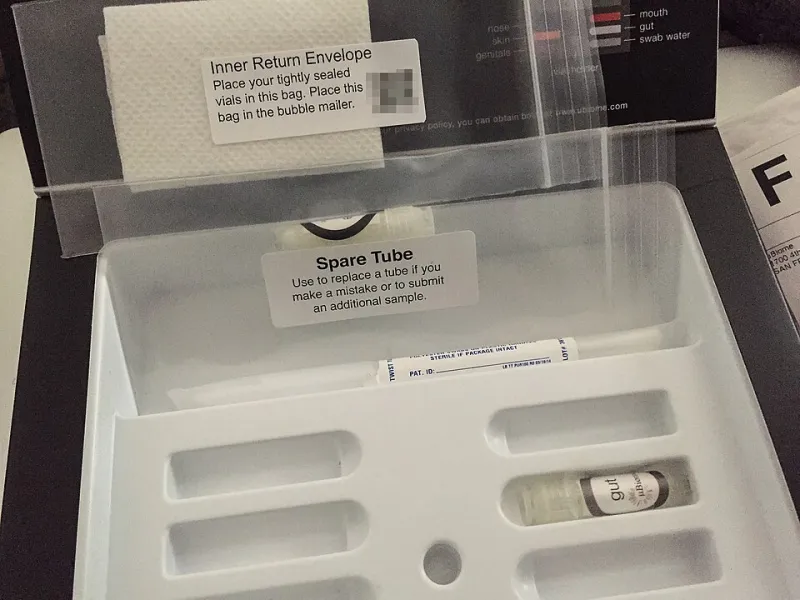
Photo: Tony Webster from San Francisco, California, CC BY 2.0, via Wikimedia Commons
For decades, the gut was considered a passive participant in human health — a digestive organ, little more. That view has been overturned with remarkable speed. Today, the human microbiome — the dense, complex ecosystem of bacteria, fungi, viruses, and archaea colonizing the gastrointestinal tract — is understood to influence immune function, metabolic regulation, neurological signaling, and even responses to cancer immunotherapy. Where science leads, capital follows. The result is one of the most fiercely competitive frontiers in modern biomedicine.
More than 150 companies worldwide are currently developing microbiome-based therapeutics, with a significant concentration headquartered in the United States. The promise is extraordinary. The execution, however, is proving far more difficult than early enthusiasm suggested.
Why the Microbiome Became Biotech's Most Coveted Territory
The inflection point came gradually, then all at once. A series of landmark studies published between 2012 and 2019 demonstrated that the composition of gut microbial communities was not merely correlated with disease states — it appeared, in multiple contexts, to be causally implicated. Germ-free mouse models showed that transferring microbiota from obese donors could induce metabolic dysfunction in lean recipients. Separate research established that certain bacterial strains modulated the efficacy of checkpoint inhibitor therapies in melanoma and non-small-cell lung cancer patients.
The implications were profound. If the microbiome could be deliberately reshaped, it might serve as a therapeutic lever across an astonishing range of conditions — from inflammatory bowel disease and Clostridioides difficile infection to type 2 diabetes, autism spectrum disorder, and major depressive disorder. Investors recognized the breadth of that opportunity rapidly.
Venture funding into microbiome companies exceeded $4 billion between 2015 and 2023, according to industry tracking data. The sector attracted not only specialist life sciences investors but also large pharmaceutical companies seeking to diversify their pipelines through partnerships and acquisitions.
The Technical Maze: From Bacterial Cultures to FDA-Approved Drugs
Translating microbiome science into approved therapeutics is considerably more complicated than isolating a promising bacterial strain and encapsulating it. The field is wrestling with several fundamental challenges simultaneously.
First, there is the problem of standardization. The human gut microbiome is extraordinarily individualized — shaped by genetics, diet, early-life exposures, antibiotic history, and geography. What constitutes a therapeutically beneficial microbial profile for one patient may be neutral or even counterproductive for another. Designing clinical trials that account for this variability requires sophisticated stratification strategies that many early-stage programs underestimated.
Second, manufacturing live biotherapeutic products — the FDA's regulatory designation for microbiome-derived therapeutics — presents formidable process challenges. Maintaining the viability, potency, and consistency of anaerobic bacterial consortia at commercial scale demands highly specialized infrastructure. Cold-chain logistics add another layer of complexity, particularly for distribution across a geographically dispersed US patient population.
Third, the regulatory framework itself is still maturing. The FDA has worked to establish clearer guidance for live biotherapeutics, and the 2022 approval of Ferring Pharmaceuticals' Rebyota — a fecal microbiota product for recurrent C. difficile infection — provided an important proof of concept. Seres Therapeutics followed with the approval of Vowst in 2023, the first orally administered microbiome therapeutic to receive FDA clearance. Both approvals validated the pathway, but they also underscored how narrow that pathway currently is: both products address a single, well-defined indication with a high unmet medical need.
Competing Architectures, Competing Bets
What distinguishes the current competitive landscape is not just which indications companies are pursuing, but the radically different technological approaches they are deploying to pursue them.
Some firms, including Seres Therapeutics and Finch Therapeutics, have pursued defined consortia of naturally occurring bacterial strains. Others, such as Synlogic, have taken a synthetic biology approach — engineering microorganisms with novel genetic circuits designed to produce therapeutic molecules directly within the gut. Evelo Biosciences, before its dissolution, had explored monoclonal microbial extracellular vesicles as a delivery mechanism. Pendulum Therapeutics has targeted metabolic conditions through precision probiotic formulations positioned at the intersection of therapeutics and consumer health.
Each approach carries distinct risk profiles. Defined consortia benefit from a more familiar regulatory precedent but face reproducibility challenges. Engineered microorganisms offer programmable precision but introduce novel biosafety questions and heightened regulatory scrutiny. The diversity of approaches reflects genuine scientific uncertainty about which biological mechanisms will prove most tractable.
Who Is Positioned to Win — and What Winning Actually Means
In a field this crowded, competitive advantage is unlikely to be determined solely by the quality of the underlying science. Manufacturing capability, clinical trial design sophistication, regulatory strategy, and the ability to build commercial infrastructure in the US healthcare system will all be decisive factors.
Companies that have secured robust manufacturing partnerships or built proprietary production capabilities appear better insulated against the scale-up failures that have derailed several programs. Those with clearly defined patient selection biomarkers — identifying in advance which individuals are most likely to respond — are generating more credible clinical data and attracting more durable investor confidence.
The competitive dynamics are also being shaped by the entry of large pharmaceutical companies. Nestlé Health Science, Takeda, and Johnson & Johnson have all made significant investments or formed alliances with microbiome-focused biotechs, suggesting that the most likely endgame for many smaller firms is strategic acquisition rather than independent commercialization.
The microbiome represents a genuinely novel class of medicine — one that intervenes not at the level of a single molecular target but at the level of an entire biological ecosystem. That complexity is simultaneously the field's greatest scientific appeal and its most stubborn commercial obstacle. The firms that learn to navigate both dimensions with equal rigor are the ones most likely to convert this scramble into durable therapeutic progress.