Written in Pencil, Not Ink: What Twin Studies Reveal About Epigenetics and the Future of Personalized Medicine

Photo: (Photograph courtesy of Emma Whitelaw, University of Sydney, Australia.), CC BY 2.5, via Wikimedia Commons
For generations, the nature-versus-nurture debate has been framed as a binary contest. Either your genes determine who you are, or your circumstances do. Epigenetics has rendered that framing obsolete.
The clearest evidence comes from an unlikely source: identical twins. Born from a single fertilized egg, monozygotic twins carry virtually indistinguishable genomes. Yet by middle age, many diverge dramatically in their health trajectories—one developing type 2 diabetes while the other does not, one succumbing to Alzheimer's disease decades before the other, one living into her nineties while her twin dies at sixty-eight. The genome, it turns out, is less a fixed blueprint than a manuscript written in pencil. Life keeps editing it.
Understanding precisely how that editing occurs—and how to intervene in it—has become one of the most consequential frontiers in modern biomedicine.
The Epigenetic Layer: A Second Genome
Epigenetics refers to heritable changes in gene expression that do not involve alterations to the underlying DNA sequence itself. The mechanisms are varied: DNA methylation, in which chemical tags attach to cytosine bases and generally suppress gene activity; histone modification, which alters how tightly DNA is wound around protein spools and thereby controls accessibility; and non-coding RNA regulation, which can silence or amplify transcription across entire genomic regions.
These marks accumulate in response to an enormous range of inputs—diet, physical activity, chronic stress, toxic exposures, sleep patterns, even social relationships. Critically, they are dynamic. Unlike the static sequence of nucleotide bases, the epigenome shifts continuously throughout life, responding to the body's internal chemistry and its external environment.
Twin studies allow researchers to isolate these dynamics with unusual precision. Because the underlying genetic sequence is held constant, any divergence in epigenetic patterning between co-twins can be attributed, at least in part, to differential environmental exposure. The result is something close to a natural controlled experiment—and the findings have been illuminating.
What the Data Show
A landmark study published in the Proceedings of the National Academy of Sciences examined DNA methylation patterns in more than forty pairs of identical twins ranging in age from three to seventy-four. In young twins, the epigenetic profiles were nearly identical. Among older pairs—particularly those who had lived apart for longer periods—the divergence was striking. Differences in methylation patterns were distributed across thousands of genomic loci, affecting genes associated with cancer susceptibility, immune function, and neurological health.
Subsequent research has deepened the picture. Studies tracking twins through decades of divergent lifestyle choices—smoking versus non-smoking, sedentary behavior versus regular exercise, high-stress occupational environments versus lower-demand ones—have consistently demonstrated that these behavioral variables leave measurable molecular signatures. In some cases, the epigenetic age of one twin, estimated through methylation-based clocks developed by researchers such as Steve Horvath at UCLA, diverges from that of the co-twin by a decade or more, despite identical chronological age.
Perhaps most provocatively, some of these marks appear to be transmissible across generations. Animal studies have demonstrated that stress-induced epigenetic changes in parents can influence gene expression in offspring—a phenomenon with significant implications for how researchers think about inherited disease risk.
Implications for Drug Development
For the biotech industry, these findings carry both opportunity and complexity.
On the opportunity side, they point toward an entirely new class of drug targets. Epigenetic enzymes—the molecular machinery responsible for adding, removing, and interpreting chemical modifications—are now among the most actively pursued targets in oncology and neurology. Inhibitors of DNA methyltransferases and histone deacetylases are already approved by the FDA for certain hematological malignancies. The pipeline for second- and third-generation epigenetic drugs targeting solid tumors, neurodegeneration, and metabolic disease is expanding rapidly.
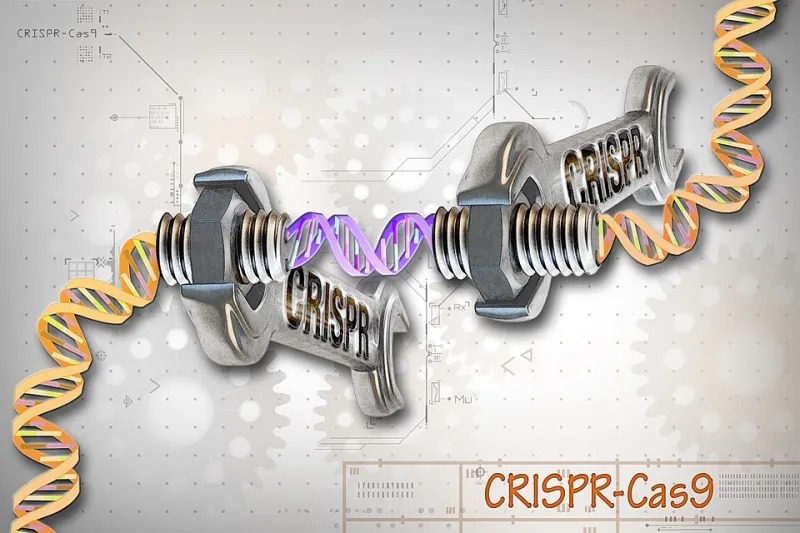
Beyond small molecules, CRISPR-based epigenetic editing tools—which modify gene expression without altering the DNA sequence itself—are beginning to move toward clinical evaluation. These approaches offer the theoretical possibility of precisely reversing pathological epigenetic states without the permanent genomic changes associated with conventional gene editing, a distinction that carries meaningful regulatory and safety implications.
The complexity, however, is equally real. Epigenetic states are tissue-specific, temporally dynamic, and extraordinarily context-dependent. A methylation pattern that suppresses tumor growth in one cellular environment may behave entirely differently in another. Developing drugs that modulate these systems with genuine precision—rather than producing broad, off-target effects across the epigenome—remains a formidable challenge.
Personalized Prevention: The Harder Problem
If epigenetics complicates drug development, it raises even more fundamental questions about preventive medicine. If two people with identical genetic risk profiles can diverge dramatically based on decades of accumulated environmental exposure, then population-level risk stratification based on genetic data alone is inherently limited.
This insight is driving renewed interest in longitudinal biomarker programs that track epigenetic change over time rather than relying on a single genomic snapshot. Several US-based research initiatives, including elements of the NIH's All of Us program, are beginning to incorporate epigenetic profiling into their data collection frameworks. The ambition is to build predictive models that integrate genetic, epigenetic, environmental, and behavioral data into genuinely individualized risk assessments.
For biotech companies developing companion diagnostics or preventive interventions, this shift represents a significant recalibration. The relevant unit of analysis is no longer the genotype alone, but the dynamic interaction between genotype and epigenotype across a lifetime—a far more complex, and far more informative, biological portrait.
Scrambling the Determinism
The twin data do not diminish the importance of genetics. Heritable sequence variation remains a powerful predictor of disease susceptibility across dozens of conditions. What the epigenetic evidence does is disrupt the determinism that has sometimes accompanied genomic medicine's early decades—the notion that a sequence read is a fate sealed.
For patients, the message carries a measure of agency: the biological consequences of how we live are not merely symptomatic but molecular, legible at the level of the genome's own regulatory architecture. For researchers and developers, the message is both a challenge and an invitation. The code was always more mutable than it appeared. The task now is learning to read those edits—and, in time, to make better ones.